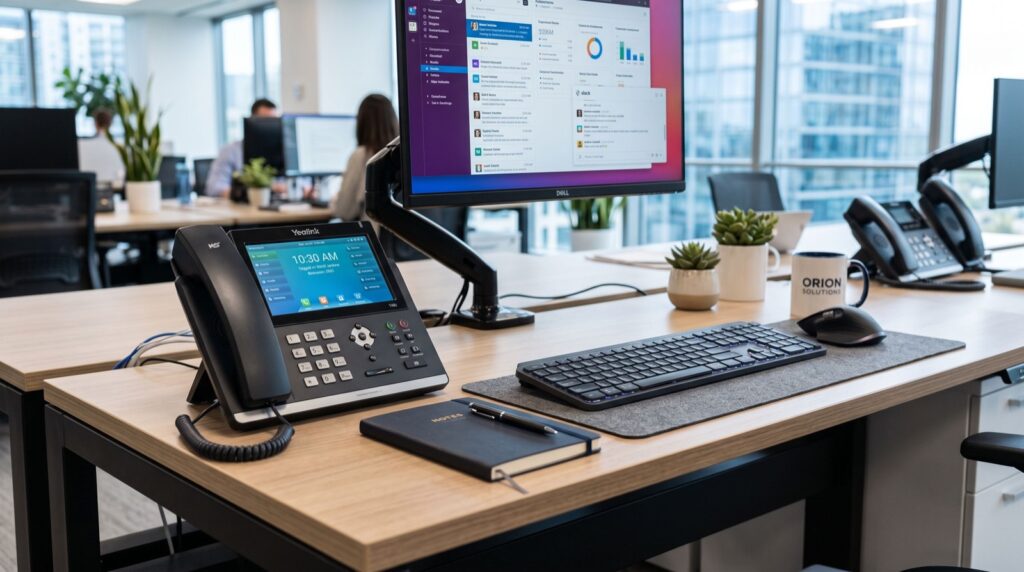
Fanvil IP Phones for Hotels and Hospitality: The 2026 Compact Guide
Guests judge a hotel in the first ten minutes, and a scratchy in-room call can quietly undo a warm welcome. Fanvil IP phones give hospitality teams a way to deliver crystal-clear communication in lobbies, corridors, kitchens, and guest rooms without blowing the fit-out budget. This 2026 guide focuses on compact, purpose-built handsets and how they streamline front-desk and room service operations.
Hospitality has unique demands. Phones must survive spills, look tidy on a nightstand, and still let a guest reach the front desk with one press. That is a very different brief from a corporate desk phone, and it shapes every recommendation below.
Why Compact IP Phones Win in Hospitality
Space is precious on a hotel nightstand or a cramped service counter. A slim, wall-mountable handset frees room for a lamp, a tablet, or a coffee tray. Compact models also cost less per unit, which matters when you are outfitting a hundred rooms at once.
Beyond size, the real win is simplicity. Housekeeping and maintenance staff should never fumble with menus. A phone with dedicated hot keys for reception, room service, and housekeeping turns any guest into a confident caller within seconds.
What does a guest actually want from a room phone?
Guests want three things: an obvious way to reach help, clear audio, and a device that looks clean and modern. Everything else is noise. A well-chosen compact phone delivers all three while surviving years of daily use.
- One-touch service keys for reception, concierge, and housekeeping.
- Wall-mount and desk options to fit tight rooms and counters.
- Wipe-clean surfaces that handle cleaning chemicals between stays.
- PoE power so a single cable runs the phone with no adapter.
The Fanvil H2U and Its Hospitality Cousins
For rooms and service points where space is scarce, the Fanvil H2U is a natural fit. It packs HD voice and a small tidy footprint into a design that mounts on a wall or sits neatly on a desk, making it ideal for guest rooms, lifts, and corridors where a full-size handset would be overkill.
When your front desk needs more line capacity, you can pair compact room phones with larger reception models on the same platform. Many properties also standardise on fanvil ip phones in Lahore across every department because a single vendor simplifies provisioning, spares, and staff training.
| Location | Ideal Handset Type | Key Feature | Mount |
|---|---|---|---|
| Guest room | Compact single-line | Hot keys | Desk or wall |
| Corridor / lift | Compact single-line | Emergency dial | Wall |
| Front desk | Multi-line colour | Busy-line view | Desk |
| Kitchen | Compact rugged | Loud ringer | Wall |
How do you keep audio clear in noisy areas?
Kitchens and lobbies are loud, so choose handsets with adjustable ring volume and echo cancellation. Wideband HD codecs help too, because they capture more of the human voice range and cut through background clatter. Test each location before signing off the install.
Rolling Out Phones Across a Property
A hotel deployment differs from an office because you rarely close for the install. Work floor by floor, keep a stock of pre-configured spares, and schedule cutovers during low-occupancy windows. A tidy rollout protects the guest experience while the new system goes live.
- Map every phone location, from penthouse to plant room.
- Confirm PoE switch capacity for the full device count.
- Pre-provision handsets in a staging area before they reach the floor.
- Label cabling clearly so future swaps take minutes, not hours.
- Train reception on transfer, paging, and emergency call flows.
Emergency dialling deserves special care. Regulators expect reliable access to emergency services, and guidance such as the FCC overview of 911 services underlines why every guest phone must reach help instantly. Configure and test those routes before opening a floor to guests.
Who should manage the system after go-live?
Small properties often rely on an outside partner, while large chains keep an in-house team. Either way, choose reputable service experts who understand both hospitality workflows and VoIP networks. The right partner keeps firmware current and resolves issues before guests notice them.
Cost and Sustainability Considerations
Compact IP phones draw little power, and PoE lets you manage and even schedule that power centrally. Over hundreds of rooms, the energy savings add up and support the sustainability goals many 2026 properties now publish. Durable handsets also cut electronic waste because you replace them less often.
Standardising on one brand reduces spare-part sprawl and training time. When a phone fails, staff swap in an identical pre-configured unit and move on. That operational simplicity is worth as much as the hardware savings.
Integrating Phones With Front-Desk Software
Modern properties rarely run phones in isolation. Your handsets should talk to the property management system so that a call from room 214 pops the guest’s name, stay dates, and any open requests onto the reception screen. That context turns a generic greeting into a personal one, and guests notice the difference immediately.
Fanvil handsets support the open protocols that most middleware and PMS connectors expect, so integration rarely requires custom hardware. Reception staff can then log service requests, wake-up calls, and maintenance tickets directly from the phone workflow. The result is fewer forgotten requests and a smoother shift handover between teams.
What about wake-up calls and do-not-disturb?
Automated wake-up calls and do-not-disturb states are staples of hotel telephony, and they run reliably through a well-configured PBX. Guests set do-not-disturb from the room phone, while reception schedules wake-up calls in bulk during busy mornings. Testing these flows before opening a floor prevents the awkward missed wake-up that lands in a review.
Reporting matters too. A good platform logs call volumes by department, which helps managers staff the front desk during peak check-in hours. Over a season, that data guides smarter rostering and shorter guest wait times.
Frequently Asked Questions
Are compact Fanvil IP phones suitable for guest rooms?
Yes. Models like the H2U are designed for tight spaces, offering HD audio, hot keys, and wall-mount options that suit nightstands, corridors, and service points across a property.
Can hotel phones run on the same network as guest Wi-Fi?
They can share the physical network, but you should place voice traffic on a separate VLAN with Quality of Service. That keeps calls clear even when guest data usage spikes in the evening.
Do these phones support paging and intercom?
Most Fanvil handsets support multicast paging and intercom, which is ideal for staff coordination in kitchens, housekeeping, and maintenance without tying up outside lines.
How long do hospitality IP phones typically last?
Quality units routinely run five years or more with firmware updates. Their durable surfaces and low power draw make them well suited to constant guest use.
Conclusion
Fanvil IP phones give hospitality operators a practical path to clear, reliable guest communication without overspending. By matching compact handsets to each location, planning a floor-by-floor rollout, and leaning on capable support, hotels turn a background utility into a quiet driver of guest satisfaction. In 2026, that attention to the small details is exactly what keeps reviews glowing and guests coming back.